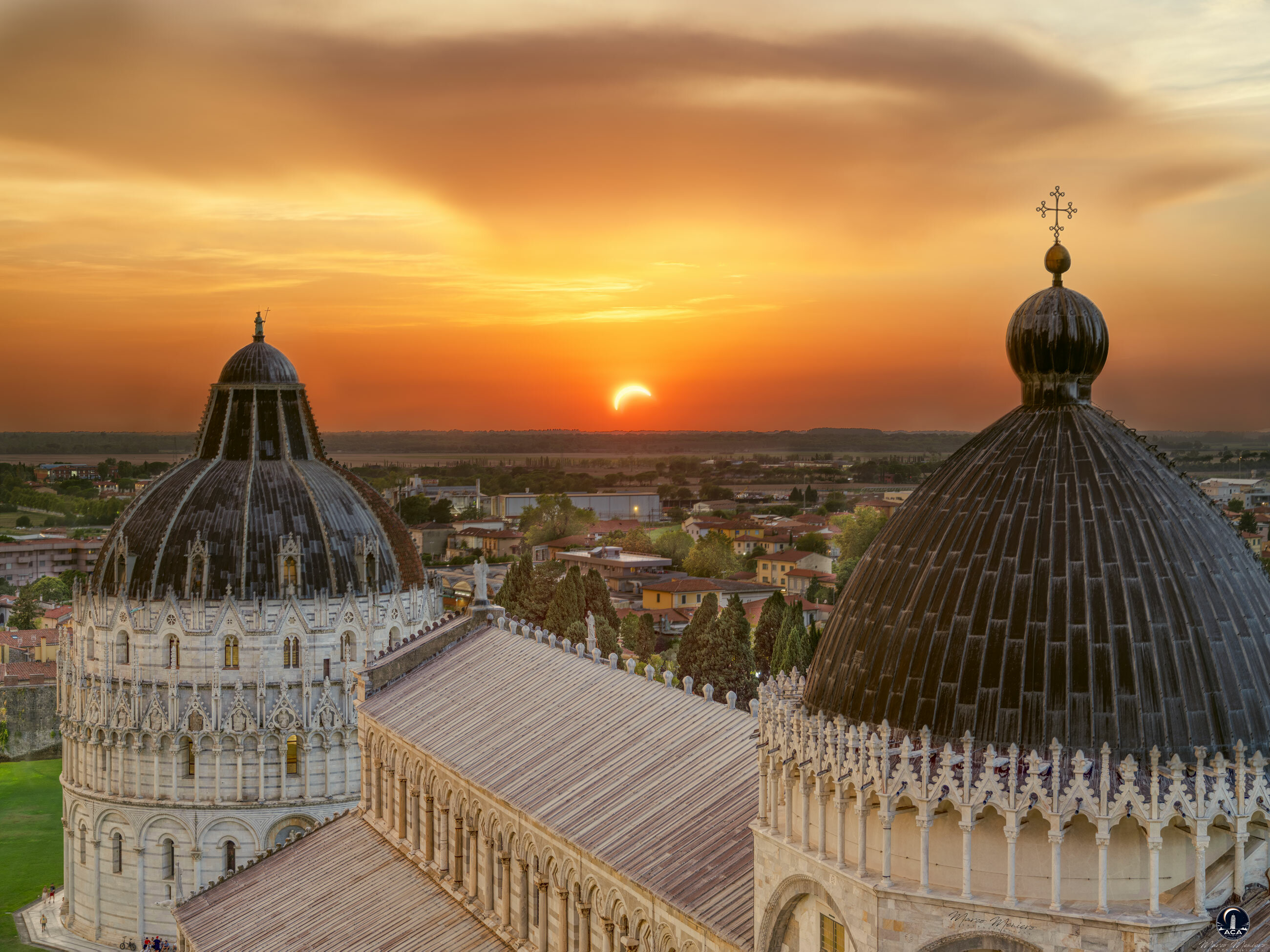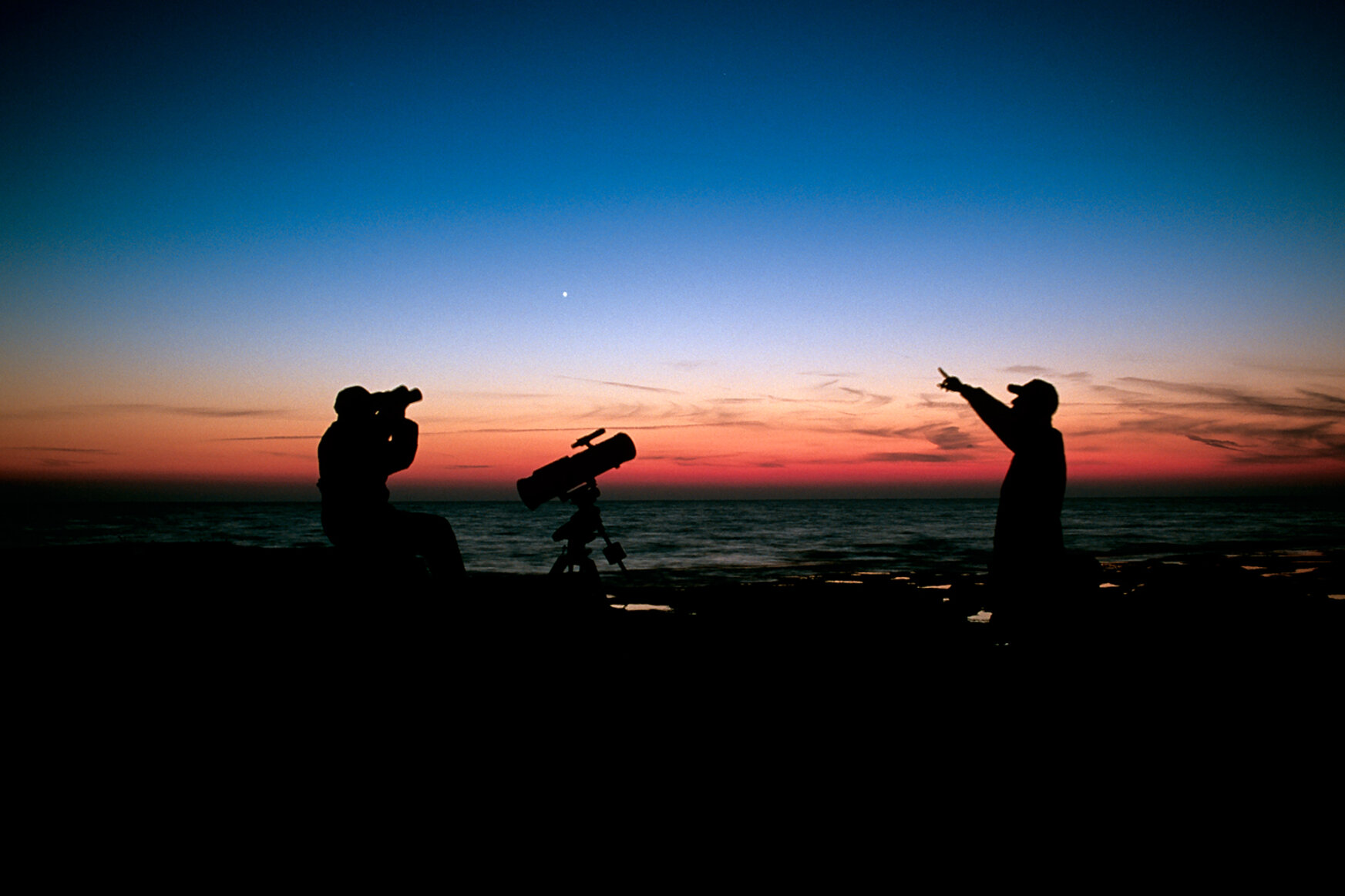

There’s something deeply romantic about astrophotography. Spending a night under the sky, waiting for the right moment, chasing the light of a galaxy millions of light-years away and managing to turn it into an image that can move you. It’s a passion that demands patience, technical skills and, often, major investments. For many, though, the real reward comes when that photograph is seen and appreciated by the world.
On June 16, 1995, the two scientists Robert Nemiroff and Jerry Bonnell launched a project destined to leave a deep mark on the web in terms of astronomy outreach: they created Astronomy Picture of the Day, better known as APOD. The idea was simple yet powerful: publish a photo every day on NASA’s site, accompanied by an explanation from a professional astronomer, to bring astronomy closer to the general public.

Thirty years on, APOD has become far more than an outreach column. In the world of astrophotography it represents a kind of consecration. Seeing one’s own image published means gaining a coveted, prestigious recognition, often perceived as a real NASA award, even though the project began as a personal initiative by its founders and not as an official program of the space agency.
For many astrophotographers, getting an APOD is a moment of personal pride. It’s confirmation that nights spent in the cold, investments in expensive gear and the inevitable sacrifices have produced something meaningful. At times, showing off this recognition with great pride also becomes a kind of justification to oneself and one’s family for having spent so much time, sacrifice and money on costly astrophotography equipment. It’s no surprise, then, that the recognition is often celebrated on social media and amplified through press releases, turning what starts as a small daily outreach event into news of national relevance.
The mechanism is simple and extremely effective. The public associates the photographer’s name with NASA’s and, almost automatically, transfers to the former part of the prestige attributed to the latter. Thus a powerful media amplifier is born, helping to make both the author and the discipline of astrophotography better known.

Over time the APOD model has inspired many similar initiatives. Amateur APODs appeared, along with EPODs, LPODs and OPODs dedicated to the world of optics. None of these projects, however, has reached the same resonance. The reason is clear: the perceived value of the container inevitably influences the value attributed to the content. And few brands possess, in the collective imagination, the evocative power of NASA.
In parallel, the spread of social networks has changed the way photographs are perceived and evaluated. The success of an image is more and more often tied to the number of views, shares and likes it can generate. An implicit equation has gradually taken hold: the larger the audience reached, the greater the value of the photograph.
But is it really so?
This logic is the child of digital-platform algorithms, designed to maximize attention and interaction. In this context, numerical approval risks becoming an apparently objective measure of artistic value, when in reality it is only an indicator of popularity.
The issue opens a broader reflection: is there really a universal criterion for judging a photograph?
Probably not
Photography, like writing, is a language. It has its own vocabulary, made of shapes, light, colors and visual relationships, and its own grammar, made of compositional and narrative choices. As with literature, images also contain rhetorical figures, metaphors, symbols and levels of reading that require interpretive skills.
Evaluating a photograph therefore means trying to understand the author’s vision and the message built through the elements within the frame. But how many social-network users truly go through this process? And how many, instead, hand out their likes in a few seconds, driven by immediate impact, browsing habits or simply personal sympathies?
If online approval is not enough to measure the value of an image, one might think the task belongs to the juries of photo contests. Here too, however, clear limits emerge.
The reading of a photograph is inevitably shaped by cultural context, individual experience, sensitivity and the training of the observer. There is no neutral gaze. As a result, a contest winner does not represent an absolute truth, but only the choice made by a given jury at a specific historical moment.
Change the jurors and the results often change too

Those who move in the contest world know it well. Over the years I have taken part in international competitions in different roles: entrant, winner, juror and organizer. I have also participated in many portfolio reviews, both as an author and as an evaluator. On these occasions I witnessed radically different interpretations of the same image.
A photograph of the Milky Way crossed by a beam of light aimed at the sky, for example, was read by some as a symbolic representation of the human gaze turned toward the universe. For others it was simply a form of light pollution that disturbed the scene.
So where, then, is the truth?
Perhaps a possible answer comes from Georges Tourdjman, the famous French photographer. To the question «Georges, what is photography?», he replied with a line as provocative as it is illuminating: «I don’t know exactly, but often it’s worth nothing».
Behind that apparent provocation lies a deep reflection. The value of a photograph is not an absolute, unchanging or universally shared fact.
It is a cultural construction, an ongoing dialogue between the one who creates the image and the one who observes it.
And perhaps it is precisely this uncertainty, more than any award, like or ranking, that makes photography such a fascinating language.